How Do I Choose The Best Books For My Child?
Alex Deakin, Researcher
Children who grow to love reading almost end up with a new superpower. They’ve been proven to have higher levels of concentration and focus, as well as increased brain function. But while parents may wish or intend for their children to become readers, this can easily end up in frustration when kids refuse to read a book chosen for them, and refuse to choose any other book at all.
How does one choose books for a child? Teachers here at THE LEARNING LIBRARY have been helping match the right book to students for over 15 years. We’ve gathered tips from our reading coaches and our director Kembell Lentejas, an internationally-trained reading specialist, on choosing the best books for children.
How do I pick the right book for my child?
Reading has been said to be the foundation of learning and it is one of the most valuable skills a child can have, but to first get your child to enjoy reading you must find the right book for them. Here are some simple steps to take towards sparking a lifelong interest in reading!
-
Make sure your child is interested in it.
The first thing that goes into picking a book is whether or not your child is interested in it. As their parent, you should be the best judge of what your child likes and doesn’t like. Pick the book they like, not what you’d like. Teacher Kembell says: “As much as possible, let your child explore different book genres. They should start with books that motivate them. Once they develop the love for reading, then you can encourage them to read ‘better’ books.”
-
Take your child's age into account.
Different books are suited to different ages -- consider format as well as content. Toddler books must still be readable after being thrown across the room, drooled on, or even chewed! Content should be compatible with their age: take care not to give a “heavy” book at a young age, make sure the child will be able to appreciate the themes. Younger children will enjoy a good plot while older children may prefer stories with an emphasis on characters and their personalities. If you like a book but the child is not ready, keep it waiting on the shelf in the meantime
-
Illustrations are key!
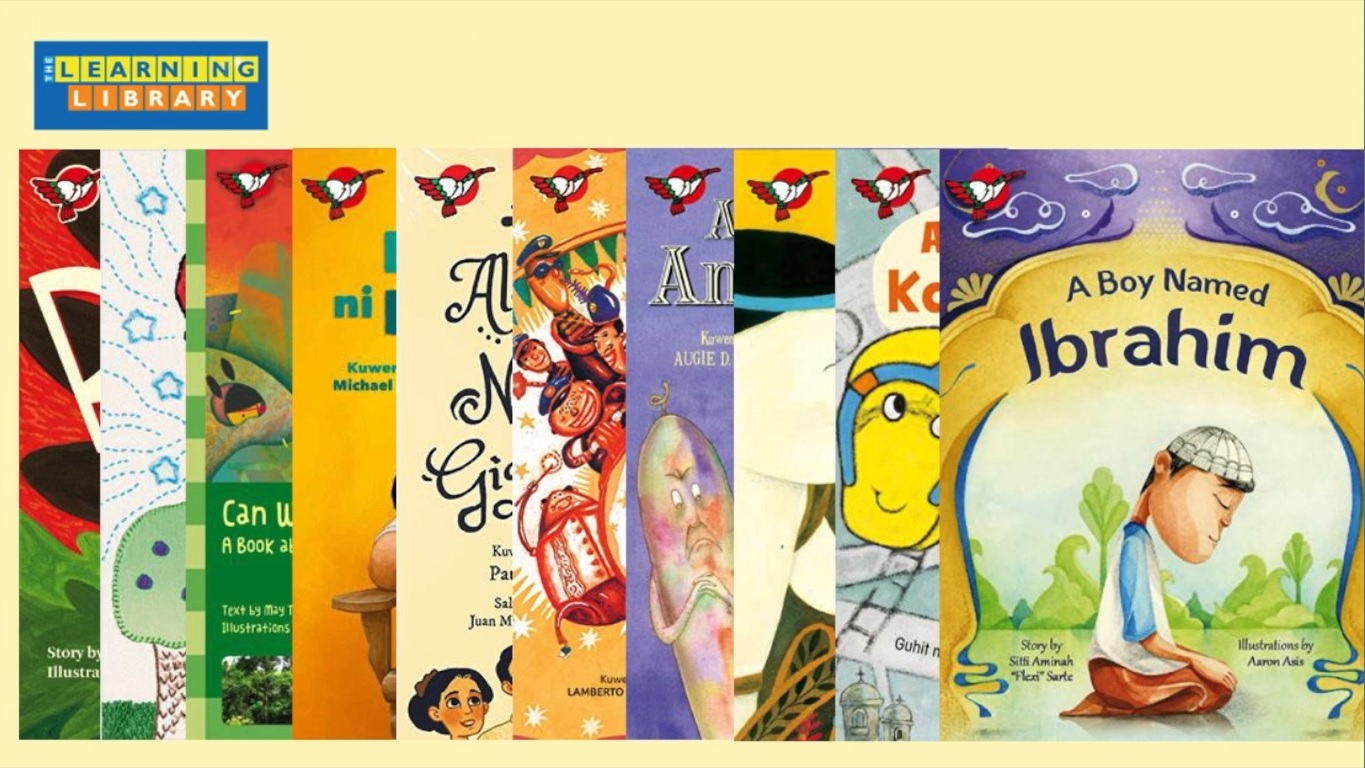
Vivid and imaginative images go a long way in keeping the child focused on the story while keeping them entertained. Illustrations are especially key for younger readers from ages 4 to 8: they often help the child understand the story better. They will eventually transition into pictureless books, but in the meantime, finding a great story with wonderful illustrations will help get them hooked. Here are some examples of books that have been awarded the Caldecott Medal for Illustration -- always good bets!
-
Make it a book that you can read again and again.
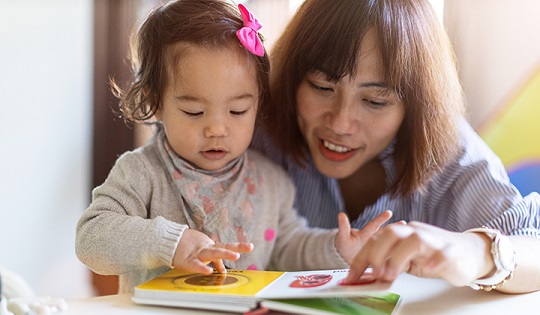
A ritual of regular reading with your child will create a lifelong bond and memories that last a lifetime. To make it more enjoyable, pick a book that both you and your child will want to read over and over again. Alternate between choosing the book and letting them choose it: their choice will sometimes be a surprise, but there are certain books with a magic that children appreciate best. “Shared reading and teaching at home develop oral language skills, too,” says Teacher Kembell. “This can definitely help your child comprehend better in the future.”
-
Teach through books they’ll love.
Many children's stories are written to impart wisdom or a moral lesson, but the best ones do so in a way that is engaging and entertaining to children. Aesop’s fables are a good example: “The Boy Who Cried Wolf” shows how lying breaks trust through a story any child would appreciate. We all want to give our children books to learn and live by, and if we make the effort to find the best ones, they’ll take these important lessons to heart.
Keep the “why” in mind.
When it seems your efforts to choose the right books seem to be going nowhere, remind yourself why you’re doing it. “Numerous research has shown that the home literacy environment, especially parental teaching, influences literacy development,” Teacher Kembell shares. While getting a child to read consistently may be a daunting task, it’s one of the most important tasks parents have -- and possibly one of the most rewarding.
Would you like to talk more about children’s books? Feel free to send an inquiry to The Learning Library to inquiry@learninglibraries.com or call us at +63917-8282669.