How Do I Make My Children Love Reading?
Alex Deakin, Researcher
Most parents understand the benefits of reading: they know it can help spark a lifelong interest in learning and create a solid foundation for their child's education. What they struggle with is how -- in the digital age, with children heavily exposed to online media. Whether it’s an e-book or a blog or a printed book they can hold, how can parents encourage children to read more?
THE LEARNING LIBRARY’s Raissa Calunsag (Teacher Ryce), an education professional with over 15 years’ experience in teaching and program development, shares her views and best practices for parents who want to raise lifelong readers.
How can you learn to love it?
Reading is a very complicated task. “You’re not going to learn to read the same you learn how to walk,” says Teacher Ryce. Reading takes time and it is something that must be nourished and learned to be enjoyed starting at an early age. To develop a child's interest in reading, it must be done early on with the intent of creating a lifelong habit. Here are some other tips that can help facilitate this growth:
-
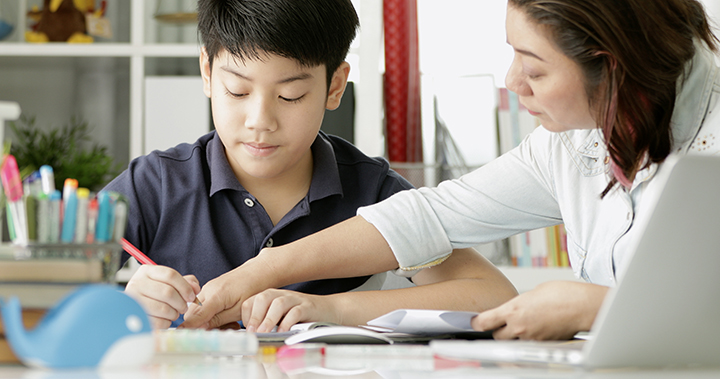
Read to your children
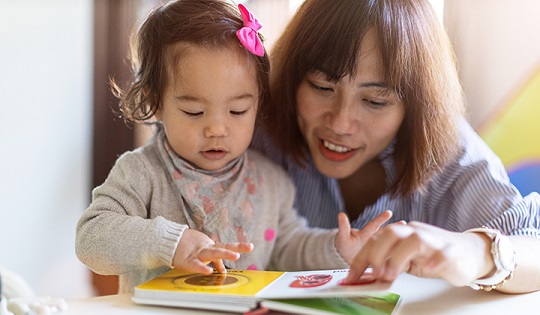
Reading to your children is one of the best ways to nurture the love of reading. It creates an emotional bond between you, your child, and the book. Done well, reading aloud to children helps develop prosody -- the feature of expressive reading which includes timing, phrasing, emphasis, and intonation that good speakers use to convey meaning. Learn more benefits of reading to your child here.
-
The 20-minute rule
It’s less time than a typical episode of their favorite online series. While it may not be easy to wean your child away from gadgets, it’s reasonable to insist on 20 minutes for text instead of video. Done daily, this helps develop the reading habit. Make sure there’s a lot of good books at home that they enjoy! Here’s more info on why your kids ought to read for 20 minutes a day.
-
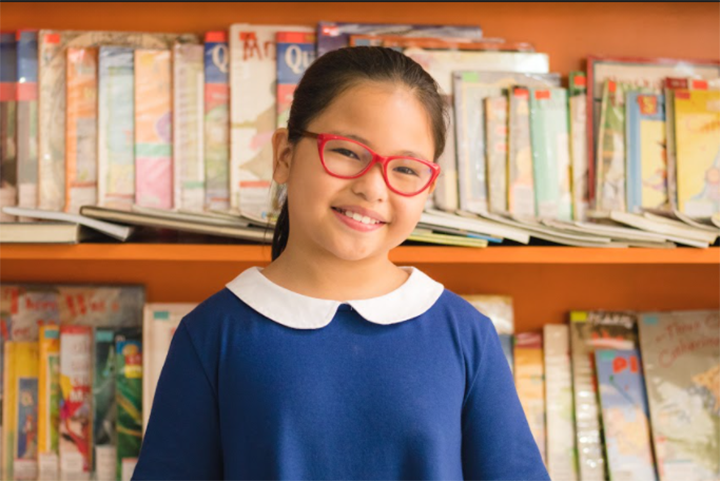
Choose books they’ll love
“Sometimes, it takes just one book to get your child hooked on reading,” Teacher Ryce shares. Take time to know your child's interests, look up suitable books online, and keep trying new things. Ask other parents for recommendations, and borrow books to know what your child likes before buying more of the same. For more on this topic check our Learning Center article: “How do I choose the best books for my child?”)
-
Make it enjoyable
Learning to read is not the easiest task: make it fun for the child. Books should be something they look forward to, not a chore. Ease your child into it and don’t forget to go at their pace -- it’s different for everyone. Above all, show them that you enjoy reading yourself. Modelling is the number one way of developing the love of reading.

Why is it Important?
When the going gets tough, here are some things to remember and inspire you to develop the reading habit in your children:
-
Reading is fundamental.
Reading is the one skill that will allow your child to learn a multitude of other skills. All academic subjects are anchored on reading and for a child to be able to understand lessons, they should be able to read at their current grade level. “Reading skill is critical even in math -- math problems are often presented as word problems,” Teacher Ryce points out. “And without higher-order comprehension skills, a child will not be able to write well. Analysis and insight are what makes writers excellent.”
-
Reading aids problem-solving.
By developing problem-solving skills and increasing imagination and creativity, reading prepares children to excel throughout their academic life. This study done by researchers at Malaga University in Spain and the University College London shows how recreational readers perform better in the classroom.
-
Reading is enriching.
In a world where children are often given screens and gadgets, reading helps a child focus and think deeper. Books bring comfort, knowledge, and entertainment inside just a few pages. Children who read will hardly ever be bored, and they will always have something of interest to share with others.
Learn more about the effects of reading on child development.
Need help?
Since 2006, THE LEARNING LIBRARY has been teaching children not just how to read but to love reading. We offer a free online assessment for beginning reading, reading comprehension, and writing. To learn more, fill out the Contact Us form on our website or send a message to inquiry@learninglibraries.com.